Seppie in zimino is a Tuscan coastal fish dish: pieces of cuttlefish stewed together with chard, tomato, garlic, chilli and a glass of white wine, until it becomes a thick, saucy stew.
In this article you’ll find quantities for 4 people, a step-by-step method for cleaning cuttlefish and chard, the history of the name “zimino” shared between Tuscany and Liguria, practical tips, variations and answers to the most common questions.
Recipe card
| Item | Detail |
|---|---|
| Preparation | 25 minutes |
| Cooking | 50 minutes |
| Resting | None |
| Total time | 1 hour 15 minutes |
| Difficulty | Medium |
| Servings | 4 people |
| Category | Seafood Dishes |
| Cuisine | Tuscan |
| Cooking method | Stewed, in a pan |
Ingredients for 4 people
- 800 g cleaned cuttlefish, cut into 2-3 cm pieces
- 600 g Swiss chard (leaves and tender stalks)
- 1 medium white or red onion (about 150 g)
- 2 cloves garlic
- 1 fresh or dried chilli, to taste
- 400 g canned peeled tomatoes or tomato passata
- 100 ml dry white wine
- 60 ml extra virgin olive oil
- Fine salt, to taste
- Toasted Tuscan bread, to serve (optional)
The cuttlefish. Fishmongers often sell it already cleaned: if you buy it whole, remove the ink sac, the cuttlebone, the eyes and the beak, and keep it whole or cut it into strips depending on size. The chard is the ingredient that gives this dish the name “in zimino”: it should be boiled separately before adding it to the sauce, to control its cooking water.
How to make seppie in zimino
- Clean the cuttlefish. If not already cleaned, remove the head and tentacles from the sac, the cuttlebone, the eyes and the beak, and rinse well under running water. Pat dry and cut into 2-3 cm pieces.
- Boil the chard. Wash the chard, remove the toughest ribs and keep the leaves and tender stalks. Boil in salted water for 5-6 minutes, drain, squeeze well and chop roughly.
- Make the base. Finely chop the onion and garlic. In a wide pan, warm the oil over low heat and soften the chopped onion and garlic for 8-10 minutes, until soft and translucent, without browning.
- Brown the cuttlefish. Raise the heat, add the cuttlefish and brown it for 2-3 minutes, stirring, until it changes colour and starts to release liquid.
- Add the wine. Pour in the white wine and let it evaporate almost completely over high heat, for 3-4 minutes.
- Add the tomato and chilli. Stir in the crushed tomatoes or passata and the chopped chilli, and salt. Bring to a boil, then lower the heat.
- Cook slowly. Cover and cook over low heat for 25-30 minutes, stirring occasionally. If the sauce dries out too much, add a few tablespoons of hot water.
- Add the chard. Stir in the boiled, squeezed chard and continue cooking uncovered for another 8-10 minutes, until the cuttlefish is tender and the sauce is thick.
- Serve. Adjust the salt, turn off the heat and serve hot, on its own or over a slice of toasted Tuscan bread.
History and tradition of seppie in zimino
“Zimino” or “inzimino” describes, in Tuscany and Liguria, the way of cooking fish, molluscs or offal stewed with chard (in Florence, sometimes with spinach instead). The origin of the word is uncertain: one Ligurian source traces it “probably from Liguria”, later spreading to Tuscany, Corsica and Sardinia, while another source simply translates it as “a thick, oily sauce”, without giving a precise origin. The sources consulted don’t allow us to say for certain whether the technique began in one of the two regions and then spread to the other, or developed in parallel along a Tyrrhenian coast that has shared its catch and its cooking traditions for centuries.
What sets the Tuscan version apart from the Ligurian one, according to the sources consulted, is the use of chilli, absent from the classic Ligurian recipe. On the Tuscan coast the dish is documented with cuttlefish and chard in Pisa and Livorno (where it’s also called “seppie con bietole alla pisana”), while the home-cooked Florentine version often uses spinach instead of chard. In Viareggio, in the Versilia area, seppie in zimino is still felt as a traditional dish today: in 2025 it won the first edition of the “In cucina co’ rioni” food contest, held for the city’s Carnival celebrations.
Practical tips
- Adjust the time to the size of the cuttlefish. Small cuttlefish cook in 20-25 minutes; large ones can take 40-45 minutes to become tender.
- Boil the chard separately. Cooking it directly in the sauce releases too much water and lengthens the cooking time: boiling it first and squeezing it well gives a thicker stew.
- Don’t cover it in the final stage. Finishing uncovered helps the sauce thicken, if it’s still too liquid after adding the chard.
- Choose fresh or frozen, already cleaned cuttlefish. It cuts the preparation time considerably compared to cleaning whole cuttlefish.
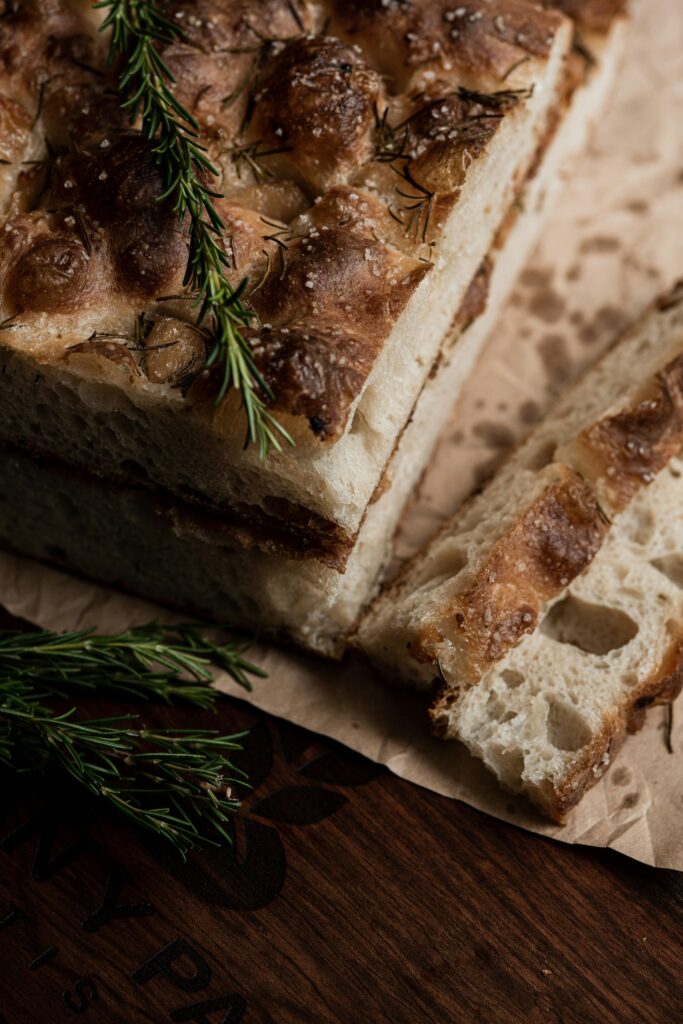
- Serve with bread, not much else. The dish already combines vegetable and protein: toasted Tuscan bread is enough to mop up the sauce.
Variations and storage
Variations
In Florence, inzimino is often made with spinach instead of chard. Squid, cuttlefish-like totani or small octopus (moscardini) can replace the cuttlefish, with similar cooking times. Those who prefer a dish without molluscs can look to the chickpea version, more common in Liguria. For a deeper flavour, some recipes add a spoonful of tomato paste along with the canned tomatoes.
Storage
Seppie in zimino keeps in the fridge, in a closed container, for 2-3 days: reheat it over low heat, adding a spoonful of water if the sauce has thickened too much. It can be frozen already cooked for about 2-3 months; thaw it slowly in the fridge before reheating.
Frequently asked questions about seppie in zimino
What does “zimino” mean?
It describes the way of stewing fish, molluscs or offal with chard or spinach. The origin of the word is uncertain: the sources consulted link it to Liguria, where the technique is shared with Tuscany, Corsica and Sardinia, but without a definitive attribution.
Can I use squid or totani instead of cuttlefish?
Yes, with very similar cooking times. Small octopus (moscardini) cook in about the same time as medium cuttlefish.
Why does Florence use spinach instead of chard?
It’s a local variation: the sources consulted show that the Florentine version of inzimino uses spinach instead of chard, while the coast (Pisa, Livorno, Versilia) more often uses chard.
Can I make it ahead?
Yes, it’s actually a dish that improves as it rests: you can make it a few hours ahead and reheat it gently before serving.
What do you serve it with?
With toasted Tuscan bread, to dip in the sauce. No other side is needed, since the dish already combines vegetable and protein.
More Tuscan coastal fish recipes
Another traditional stewed fish dish is cacciucco alla livornese. For chard served on its own as a side, see sautéed Swiss chard. To get to know Tuscan coastal cooking up close, the cooking classes at Orto San Frediano in Florence are a good place to start.