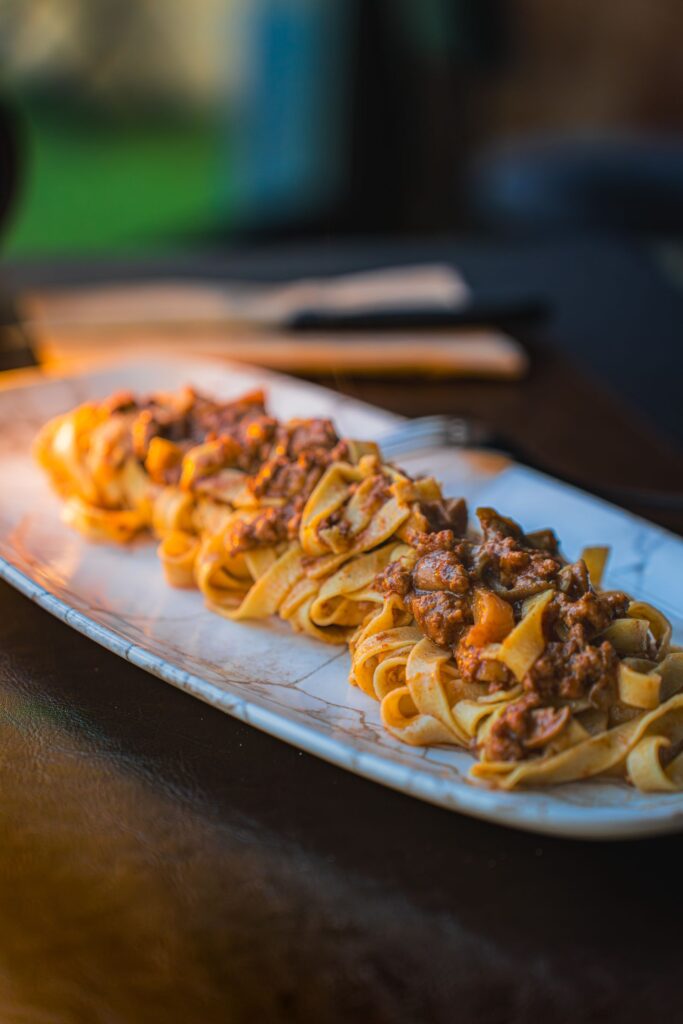
Gnudi are Tuscan dumplings made with ricotta, boiled and chopped spinach, egg and Parmigiano, rolled in flour and cooked in boiling water. The name means “naked”: they are the filling of ricotta and spinach ravioli without the pasta wrapping. They are traditionally dressed with melted butter, sage and more grated cheese.
In this article you’ll find the ricotta and spinach gnudi recipe for 4 people, with quantities, how to get a dry mixture that doesn’t fall apart while cooking, shaping, timings, the sauce, the difference from Sienese malfatti, the variations and storage.
Recipe card
| Item | Details |
|---|---|
| Preparation | 40 minutes |
| Cooking | 10 minutes (gnudi 3-4 minutes, sauce 5 minutes) |
| Resting | 1 hour (30 minutes draining the ricotta, 30 minutes chilling the shaped gnudi) |
| Total time | 1 hour 50 minutes |
| Difficulty | Easy |
| Servings | 4 people |
| Category | First course |
| Cuisine | Tuscan |
| Cooking method | Boiled |
Ingredients for 4 people
For the gnudi
- 500 g sheep’s or cow’s milk ricotta, well drained
- 600 g fresh spinach (about 300 g once boiled and squeezed)
- 1 egg and 1 egg yolk
- 80 g grated Parmigiano Reggiano
- 30 g type 00 flour in the mixture
- Type 00 flour or semolina for coating, to taste (about 100 g)
- Nutmeg and fine salt, to taste
For the sauce
- 80 g butter
- 8-10 fresh sage leaves
- 40 g grated Parmigiano Reggiano or Tuscan pecorino
The ricotta. It decides the outcome: it must be firm and dry. Drain it in a sieve for at least 30 minutes, or overnight in the fridge if it’s very moist. Wet ricotta needs more flour and makes heavy gnudi.
The flour. Only a little is needed: it binds the mixture without masking the ricotta. The outer coating forms a thin skin that holds the gnudi together while they cook.
How to make ricotta and spinach gnudi
- Drain the ricotta. Put it in a fine sieve over a bowl and leave it to drain for at least 30 minutes in the fridge.
- Cook the spinach. Boil it for 2-3 minutes in a little salted water, cool it under cold water and squeeze hard until almost all the water is gone. Chop finely with a knife.
- Make the mixture. In a bowl, work the ricotta with a fork, then add the spinach, egg and yolk, Parmigiano, 30 g flour, a grating of nutmeg and salt. Mix until smooth, soft but mouldable.
- Test one. Bring a pan of salted water to the boil and cook a single gnudo. If it falls apart, add a spoonful of flour or Parmigiano to the mixture and try again.
- Shape the gnudi. With floured hands or two spoons, form balls slightly smaller than a walnut, about 25 g. Roll them in the coating flour and place them on a floured tray. Chill for 30 minutes.
- Make the sauce. In a wide pan, melt the butter over low heat with the sage for 3-4 minutes, until the sage is crisp.
- Cook. Lower the gnudi a few at a time into salted water at a gentle boil. When they float, after 2-3 minutes, cook for 1 more minute and lift them out with a slotted spoon.
- Serve. Transfer them to the pan with the butter and sage, shake gently and finish with grated cheese. Serve immediately.
History and tradition of gnudi
Gnudi are a Tuscan dish. The name is the Tuscan form of “nudi”, naked, and refers to the fact that they are the filling of ricotta and spinach ravioli without the pasta: a quicker way to make a first course without rolling out dough.
The same dish has different names depending on the area: in Florence they are called gnudi, in Siena malfatti, “badly made”, referring to their irregular hand-made shape. The most traditional sauce is butter and sage with grated cheese; a simple tomato sauce is a common alternative.
Practical tips
- Squeeze the spinach well. Leftover water is the main reason gnudi break up in the pan.
- Add flour sparingly. Start with the quantity given and increase it only if the test requires it: too much flour makes gnudi rubbery.
- Cook at a gentle boil, in small batches. Too many gnudi at once lower the water temperature and stick together.
- Chill the shaped gnudi. Half an hour in the fridge firms them up and helps the coating stick.
Variations and storage
Variations
Instead of spinach you can use Swiss chard, nettles or boiled cavolo nero; there are also ricotta-only gnudi with no greens. Some recipes use semolina instead of flour, both in the mixture and for coating. Besides butter and sage, gnudi are served with fresh tomato sauce or, in some versions, baked with butter and cheese.
Storage
Raw gnudi keep in the fridge on a floured tray, covered, for one day. They can be frozen raw, spaced out on a tray and then transferred to a bag, for a month; cook them straight from frozen, adding 1-2 minutes. Cooked gnudi keep in the fridge for one day and can be reheated in the oven with butter and cheese.
Frequently asked questions about gnudi
What is the difference between gnudi and malfatti?
In Tuscany they are the same dish with different names: gnudi in Florence, malfatti in Siena. Outside Tuscany, “malfatti” sometimes refers to similar preparations with different ingredients.
Why do my gnudi fall apart while cooking?
Usually because the ricotta or spinach is too wet, there’s too little flour or the boil is too strong. Drain the ricotta well, squeeze the spinach, always test a single gnudo and cook over moderate heat.
What is the difference between gnudi and gnocchi?
Classic gnocchi are made with potatoes and flour, gnudi with ricotta, greens and cheese, with very little flour. The result is softer and lighter.
Can I use frozen spinach?
Yes, you’ll need about 350 g. Cook it, let it cool and squeeze it even more carefully than fresh, as it holds more water.
More Tuscan pasta and first courses
If you want the same filling inside pasta, try ricotta and spinach ravioli. Among hand-made Tuscan first courses there are also pici, made with just flour and water. To learn these dishes hands-on, the cooking classes at Orto San Frediano in Florence are a good place to start.